Literary Fiction

Literary fiction reviews: character-driven, thematically complex works of contemporary and classic literature.

  • Beautiful World, Where Are You

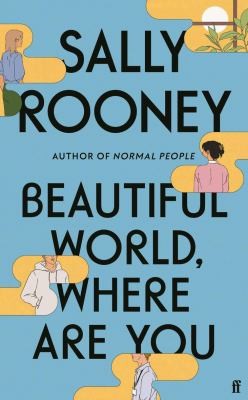
    Summary Sally Rooney’s third novel, Beautiful World, Where Are You, published in 2021, returns to the territory of her first two books but with a difference in register: the characters are older now, the romantic complications more self-conscious, and the philosophical undertow more explicit. The novel follows Alice, a successful novelist reeling from a breakdown,…
  • Trust

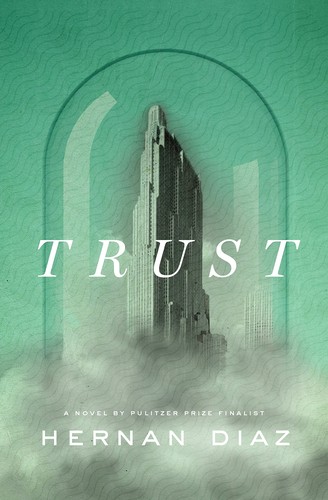
    Hernán Díaz’s Trust opens with a familiar kind of story: a novel called “Bonds,” set in 1920s New York, following a brilliant and reclusive financier named Benjamin Rask and his enigmatic wife, Helen. Rask amasses an enormous fortune, predicts the 1929 crash, and profits from the ruin of others. Helen, a pianist and philanthropist of…

  • The Covenant of Water

    Summary Abraham Verghese spent twelve years writing The Covenant of Water, and the novel carries the weight of that devotion on every page. It is a big book in every sense: 736 pages, three generations, more than fifty years, a cast of characters whose names and relationships you will eventually keep straight because Verghese earns…

  • Crying in H Mart

    Summary Michelle Zauner’s Crying in H Mart began as a 2018 essay in The New Yorker and grew into one of the most talked-about memoirs of recent years. It is a book about grief and Korean food and the particular texture of a mother-daughter relationship between a Korean immigrant mother and a biracial daughter raised…

  • The Night Circus

    Summary Erin Morgenstern’s debut novel arrived in 2011 with the force of a conjuring trick: it seemed to materialize from nothing fully formed, a world so complete and sensory that readers have spent years trying to find their way back into it. The Night Circus is the kind of novel that gets pressed into hands…

  • The Nickel Boys

    Summary Three years after winning the Pulitzer Prize for The Underground Railroad, Colson Whitehead won it again for The Nickel Boys – a feat unprecedented in the history of the award. The two novels could not be more different in scale and method. Where The Underground Railroad was expansive and mythic, The Nickel Boys is…

  • The Underground Railroad

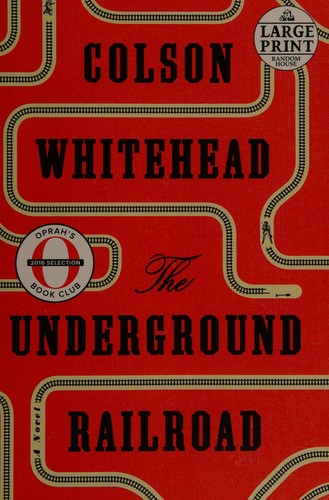
    Summary Colson Whitehead’s The Underground Railroad begins with a simple premise that immediately ruptures the reader’s sense of the familiar: what if the underground railroad were a real railroad, with actual tracks and tunnels running beneath the soil of the antebellum South? From that single speculative pivot, Whitehead constructs a novel that is simultaneously a…

  • The Remains of the Day

    Summary Published in 1989, The Remains of the Day won Kazuo Ishiguro the Booker Prize and established him as one of the most important British novelists of his generation. It is a short novel with enormous emotional reach. The story is simple: Stevens, an aging English butler who has spent decades in service at Darlington…

  • Things Fall Apart

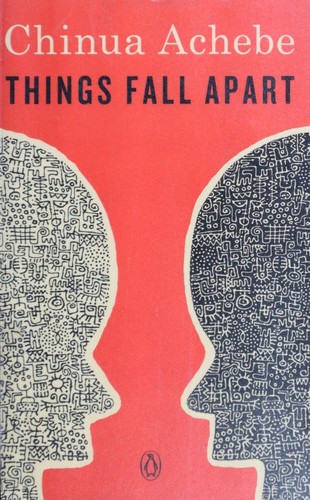
    Summary Things Fall Apart, published in 1958 by the Nigerian writer Chinua Achebe, arrived at a particular moment in literary history. African fiction in English barely existed as a recognized category. Western readers who knew anything about Nigeria knew it through the lens of colonial administration and missionary memoir, accounts written by outsiders who treated…