Literary Fiction

Literary fiction reviews: character-driven, thematically complex works of contemporary and classic literature.

  • The Color Purple

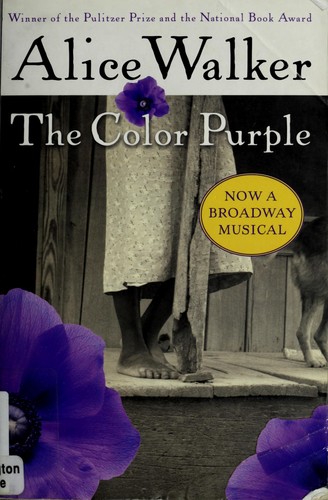
    Alice Walker’s The Color Purple, published in 1982 and winner of both the Pulitzer Prize and the National Book Award, is told entirely in letters-a formal choice that is also a political choice, since epistolary fiction traditionally grants interiority and agency to voices that narrative prose can render passive. The voice Walker invents for Celie,…

  • Stoner

    John Williams published Stoner in 1965 to almost complete indifference. The novel went out of print and stayed out of print for decades, known only to a small devoted readership, before being reissued in the 2000s and then becoming, unexpectedly, an international phenomenon-read widely in France, Germany, and the Netherlands before its American rediscovery. This…

  • Crime and Punishment

    Fyodor Dostoevsky wrote Crime and Punishment in 1865-66, in near-desperate circumstances, dictating the final chapters to meet a publisher’s deadline that, if missed, would have cost him his intellectual property for nine years. The conditions of its composition were, in a sense, fitting: the novel is about what it feels like to be cornered, to…

  • A Man Called Ove

    Fredrik Backman’s debut novel, published in Swedish in 2012 and translated into English in 2015, became an international bestseller of a kind that literary fiction rarely produces-the kind that sells millions of copies across cultures, becomes a beloved film, and apparently makes its readers cry in public on trains and airplanes. Understanding this phenomenon requires…

  • The Sympathizer

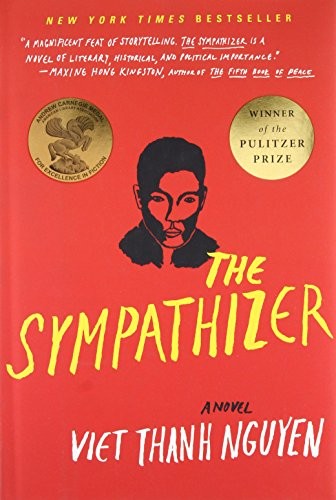
    Viet Thanh Nguyen’s debut novel, The Sympathizer, published by Grove Press in April 2015, begins where most Vietnam War stories end: with the fall of Saigon. But this is not a story about American soldiers, their traumas, or their homecomings. It is the confession of an unnamed narrator, a half-Vietnamese, half-French communist spy embedded in…

  • Middlesex

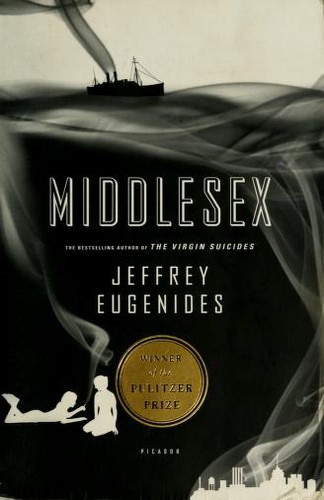
    Jeffrey Eugenides’s second novel, published fourteen years after The Virgin Suicides, won the Pulitzer Prize in 2003 and demonstrated that his debut was not a fluke but a first movement in a project of unusual scope. Middlesex is a multigenerational family saga narrated by Cal Stephanides-born Callie, a woman who in her teenage years discovers…

  • White Noise

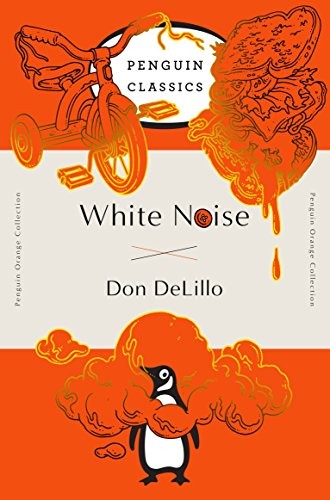
    Don DeLillo published White Noise in 1985 and it feels, from the vantage of the twenty-first century, both period piece and prophecy. Its subject-the oversaturation of consumer culture, the management of death-anxiety through media and medication, the terror lurking beneath the surfaces of American middle-class life-has only grown more relevant. The supermarket, DeLillo’s central symbol,…

  • Infinite Jest

    David Foster Wallace’s Infinite Jest, published in 1996, is the most argued-about American novel of its generation, which is appropriate because it is itself an argument-with entertainment, with addiction, with the novel form, with the cultural logic of a society that has confused pleasure with meaning. At 1,079 pages plus nearly 100 pages of footnotes,…