Book Reviews

  • Their Eyes Were Watching God

    Zora Neale Hurston published Their Eyes Were Watching God in 1937 in seven weeks, while conducting anthropological fieldwork in Haiti. That speed of composition is partly visible in the novel’s occasional unevenness, but it is also present in the quality that makes the book endure: a confidence and directness of vision that comes from complete…
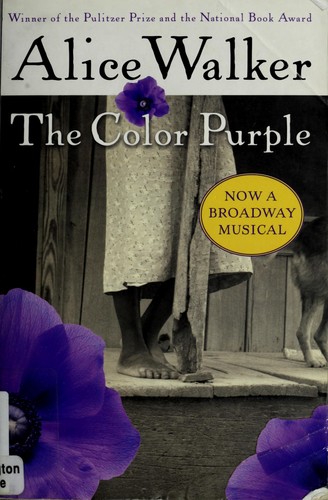
  • The Color Purple

    Alice Walker’s The Color Purple, published in 1982 and winner of both the Pulitzer Prize and the National Book Award, is told entirely in letters-a formal choice that is also a political choice, since epistolary fiction traditionally grants interiority and agency to voices that narrative prose can render passive. The voice Walker invents for Celie,…

  • Stoner

    John Williams published Stoner in 1965 to almost complete indifference. The novel went out of print and stayed out of print for decades, known only to a small devoted readership, before being reissued in the 2000s and then becoming, unexpectedly, an international phenomenon-read widely in France, Germany, and the Netherlands before its American rediscovery. This…

  • Crime and Punishment

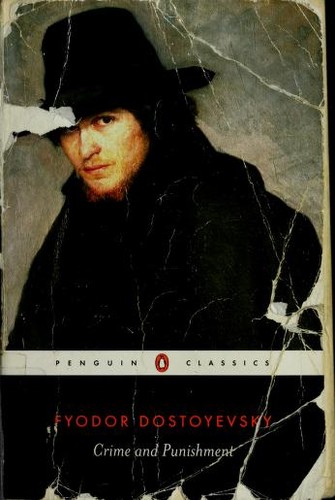
    Fyodor Dostoevsky wrote Crime and Punishment in 1865-66, in near-desperate circumstances, dictating the final chapters to meet a publisher’s deadline that, if missed, would have cost him his intellectual property for nine years. The conditions of its composition were, in a sense, fitting: the novel is about what it feels like to be cornered, to…

  • A Man Called Ove

    Fredrik Backman’s debut novel, published in Swedish in 2012 and translated into English in 2015, became an international bestseller of a kind that literary fiction rarely produces-the kind that sells millions of copies across cultures, becomes a beloved film, and apparently makes its readers cry in public on trains and airplanes. Understanding this phenomenon requires…

  • The Sympathizer

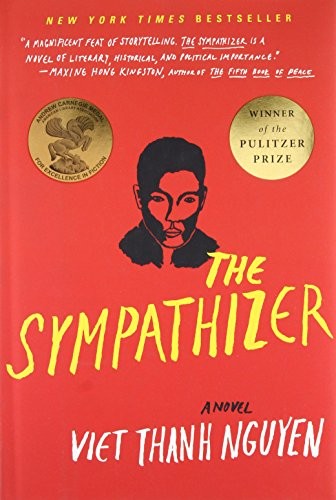
    Viet Thanh Nguyen’s debut novel, The Sympathizer, published by Grove Press in April 2015, begins where most Vietnam War stories end: with the fall of Saigon. But this is not a story about American soldiers, their traumas, or their homecomings. It is the confession of an unnamed narrator, a half-Vietnamese, half-French communist spy embedded in…

  • Middlesex

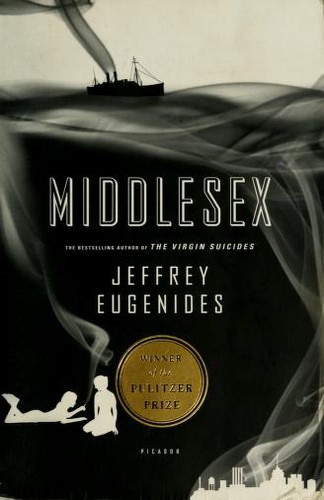
    Jeffrey Eugenides’s second novel, published fourteen years after The Virgin Suicides, won the Pulitzer Prize in 2003 and demonstrated that his debut was not a fluke but a first movement in a project of unusual scope. Middlesex is a multigenerational family saga narrated by Cal Stephanides-born Callie, a woman who in her teenage years discovers…

  • White Noise

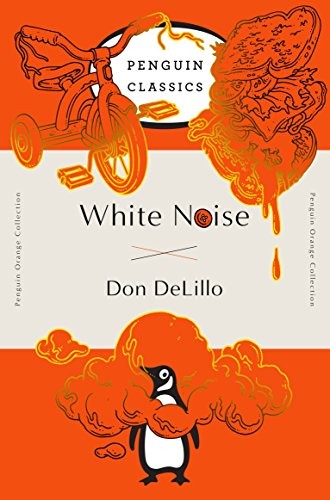
    Don DeLillo published White Noise in 1985 and it feels, from the vantage of the twenty-first century, both period piece and prophecy. Its subject-the oversaturation of consumer culture, the management of death-anxiety through media and medication, the terror lurking beneath the surfaces of American middle-class life-has only grown more relevant. The supermarket, DeLillo’s central symbol,…

  • Infinite Jest

    David Foster Wallace’s Infinite Jest, published in 1996, is the most argued-about American novel of its generation, which is appropriate because it is itself an argument-with entertainment, with addiction, with the novel form, with the cultural logic of a society that has confused pleasure with meaning. At 1,079 pages plus nearly 100 pages of footnotes,…