David Grann
David Grann was born in 1967 in New York City and grew up in Connecticut and New York. He attended Connecticut College and later earned a master’s degree from the Fletcher School of Law and Diplomacy at Tufts University. Before turning to journalism and narrative nonfiction, he worked briefly in political campaigns and policy. He joined The New Yorker as a staff writer in the early 2000s, and the magazine became the primary venue for the long-form reported essays and investigations that would establish his reputation as one of the finest practitioners of narrative nonfiction working in America today.
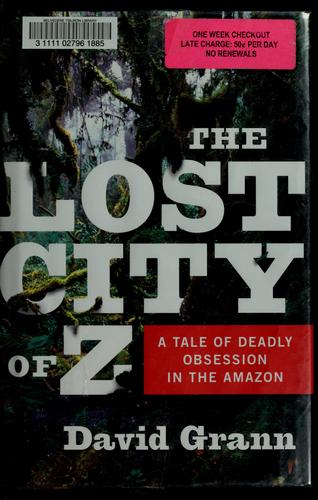
Grann is known for traveling to extraordinary lengths—sometimes literally—to report his stories. His first book, The Lost City of Z (2009), followed his investigation into the disappearance of British explorer Percy Fawcett in the Amazon in 1925, requiring Grann to venture into the same treacherous terrain that had swallowed Fawcett and numerous subsequent searchers. The book became an international bestseller and was adapted into a major film in 2016. It established the pattern that would define his subsequent work: deep archival research combined with on-the-ground reporting, organized into narratives of taut propulsive drive that read as compulsively as thrillers.
Killers of the Flower Moon: The Osage Murders and the Birth of the FBI (2017), available on Writers Review, is widely regarded as his masterwork. The book investigates a series of murders of Osage Nation members in Oklahoma in the early 1920s—killings that occurred after the Osage, living on land rich with oil, had become some of the wealthiest people per capita on earth. Grann’s investigation reveals that the murders were far more widespread than previously understood, part of a systematic conspiracy to steal the Osage’s oil wealth, and his account uncovers deep complicity between the killers, local law enforcement, and the very legal structures meant to protect the Osage. The book won widespread acclaim, spent months on the bestseller list, and was adapted by Martin Scorsese into an acclaimed film in 2023 starring Leonardo DiCaprio and Robert De Niro.
Grann’s prose is a model of the investigative narrative art: economical, propulsive, built on the accumulation of specific detail rather than rhetorical amplification. He has an exceptional eye for the telling fact and the revealing character, and his structural instinct—knowing when to reveal, when to withhold, how to braid multiple storylines together—is one of the highest in contemporary nonfiction. His work is characterized by a moral seriousness that never tips into didacticism; he allows the facts to make their case, trusting his readers to draw the appropriate conclusions about justice, history, and human nature.
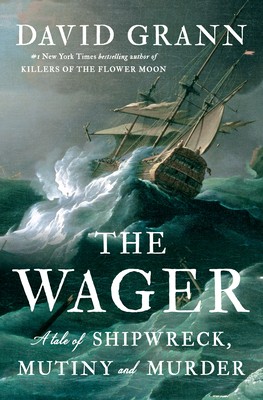
David Grann has continued to produce major works of narrative nonfiction, including The Wager (2023), about an eighteenth-century shipwreck and the survival and murder that followed, which became another major bestseller. He remains a staff writer at The New Yorker and is widely regarded as one of the successors to the tradition of John McPhee and Truman Capote—writers who brought to nonfiction the sustained narrative ambition and literary craft previously associated only with fiction.