Science Fiction

Science fiction reviews: speculative narratives exploring technology, space, time, and the future of humanity.

  • Ready Player One

    Summary In 2044, the real world has become difficult to bear. Energy shortages, economic collapse, and environmental degradation have made ordinary life grim enough that most of humanity spends its waking hours in the OASIS, a free-access virtual reality universe developed by the reclusive programmer James Halliday. The OASIS is immense, containing thousands of virtual…

  • The Martian

    Summary Mark Watney is stranded on Mars. This is a sentence that should be simple to write and is actually quite difficult, because the weight of what it means takes the entirety of Andy Weir’s novel to properly convey. Watney is not merely alone in a remote location; he is alone on a planet with…

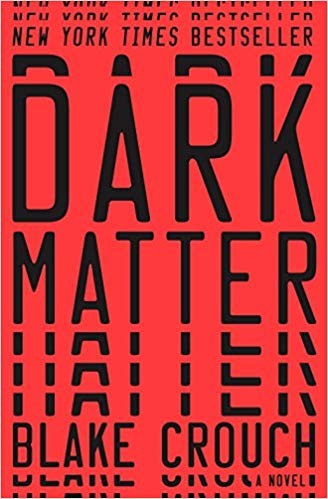
  • Dark Matter

    Summary Jason Dessen is, by his own accounting, an ordinary man. He teaches physics at a small Chicago college, is happily married to Daniela, and loves his son Charlie. He sometimes wonders about the version of his life he might have had if he had pursued his research rather than choosing family, but he does…

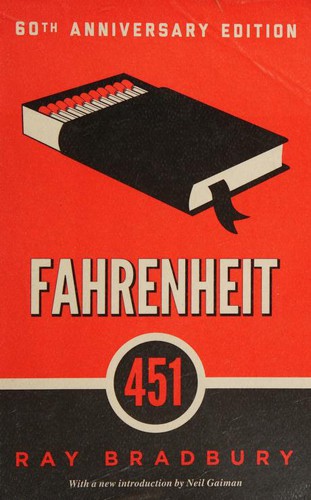
  • Fahrenheit 451

    Summary Ray Bradbury’s Fahrenheit 451 takes place in a future America that has perfected the art of avoiding discomfort. Books are illegal. Firemen don’t extinguish fires; they start them, burning any library they find. Guy Montag is a fireman who loves his work, or believes he does, until he meets Clarisse McClellan, his seventeen-year-old neighbor…

  • Slaughterhouse-Five

    Kurt Vonnegut published Slaughterhouse-Five in 1969, after more than two decades of trying to write about something that had happened to him during World War II: the Allied firebombing of Dresden, Germany, in February 1945. He was a young American prisoner of war, held with other captured soldiers in an underground meatpacking facility beneath the…

  • Neuromancer

    In the summer of 1984, a first novel arrived in science fiction with no great announcement and changed the genre permanently. William Gibson’s Neuromancer was not received as a triumph at the outset; it made its way through readers like a signal through noise, found by those who felt the world Gibson described was somehow…