Literary Fiction

Literary fiction reviews: character-driven, thematically complex works of contemporary and classic literature.

  • Wolf Hall

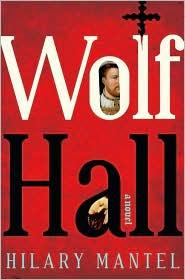
    Summary Hilary Mantel published Wolf Hall in 2009, and it won the Man Booker Prize, and it upended what literary historical fiction could do. The novel covers the years 1500 to 1535 in Tudor England, from Thomas Cromwell’s early adulthood through his ascent to become Henry VIII’s chief minister following the fall of Cardinal Wolsey….
  • The Awakening

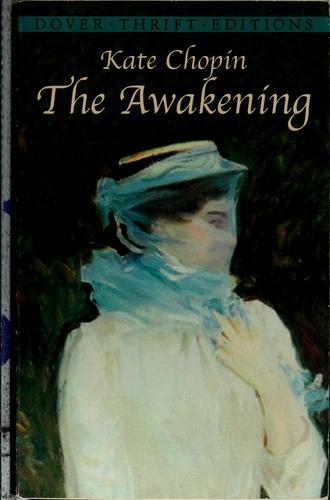
    Kate Chopin published The Awakening in 1899 and watched it destroy her career. Critics found it immoral; she was essentially blacklisted from the literary society that had welcomed her earlier, safer work. The novel was largely forgotten until the 1960s and 1970s, when feminist scholars recovered it as a foundational text of American women’s literature…

  • The Shadow of the Wind

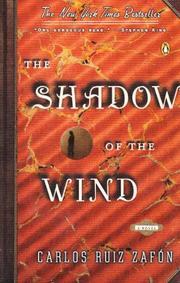
    Carlos Ruiz Zafon’s The Shadow of the Wind is the kind of novel that makes readers want to cancel their plans. Published in Spain in 2001 and translated into English in 2004, it sold twenty million copies worldwide and established Zafon as one of the great popular storytellers of his generation. Set in post-Civil War…

  • The House of Mirth

    Edith Wharton published The House of Mirth in 1905, and its ending – swift, specific, and devastating – made it one of the most discussed novels of the decade. Where The Age of Innocence follows a man who retreats from life into respectable misery, The House of Mirth follows a woman who has no such…

  • Never Let Me Go

    Summary Kazuo Ishiguro published Never Let Me Go in 2005 and it won him the Booker Prize shortlist and a renewed international readership. The novel is, on its surface, a science fiction story: its narrator and central characters are clones, bred to donate their organs and die young. But Ishiguro is not interested in the…

  • Less

    Arthur Less is not the kind of protagonist you expect to carry a Pulitzer Prize-winning novel. He is, by most measures, a failure. At forty-nine, he has published a handful of novels that critics have largely ignored, he lives in a borrowed house in San Francisco, and he is about to be dumped by the…

  • All the Pretty Horses

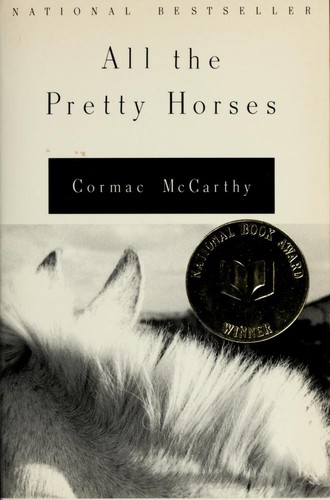
    Summary All the Pretty Horses is the most emotionally accessible of Cormac McCarthy’s novels, which is not the same as saying it is simple. Published in 1992, it is the first volume of the Border Trilogy and the book that gave McCarthy a mainstream readership after decades of southern Gothic and Blood Meridian. John Grady…

  • The Line of Beauty

    Alan Hollinghurst published The Line of Beauty in 2004 and won the Booker Prize with it – the right book winning the right prize at the right time. The novel is set in Thatcher’s Britain between 1983 and 1987, and it follows Nick Guest, a young gay man from a middle-class family who moves into…

  • The Stranger

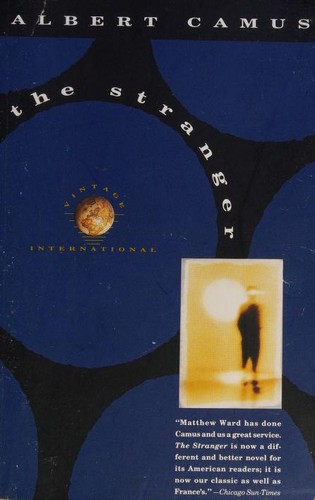
    Albert Camus published The Stranger in French in 1942 under the title L’Etranger, and the novel arrived at a moment when its argument – that the universe is indifferent to human life, and that this indifference should be faced without illusion – carried particular force. It has been translated dozens of times, debated by philosophers,…

  • Little Fires Everywhere

    Celeste Ng’s Little Fires Everywhere is the kind of novel that reads like a page-turner while doing the work of serious literary fiction. Published in 2017 and set in Shaker Heights, Ohio – the carefully planned, deliberately integrated suburb where Ng grew up – it tells the story of two families whose collision exposes the…