Rebecca Skloot
Rebecca Skloot is an American science journalist and author whose single published book has become one of the most influential works of narrative nonfiction of the twenty-first century, a landmark in the literature of science, race, medicine, and American history. Born in 1972 in Springfield, Ohio, and raised in a family that valued both science and social justice, she studied biology before discovering science journalism as her true vocation. She earned an MFA from the University of Pittsburgh and taught science writing at the University of Memphis and New York University, building a career as one of the most skilled practitioners of her form before the book that would define her reputation was published.
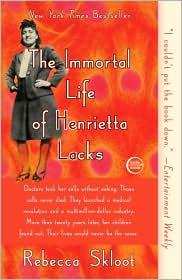
That book is The Immortal Life of Henrietta Lacks (2010), reviewed on WritersReview, which spent more than two years on the New York Times bestseller list and has sold millions of copies worldwide. The book tells the story of Henrietta Lacks, a Black woman from Baltimore who died of cervical cancer in 1951 and whose cancer cells — taken without her knowledge or consent — became the first human cells ever grown successfully in a laboratory. Known as HeLa cells, they have been used in virtually every significant medical advance of the past seventy years, from the development of the polio vaccine to cancer research to the study of the effects of space travel on the human body. Skloot tells this story simultaneously as a scientific history, an investigation into medical ethics and race, and an intimate portrait of Lacks’s family, whom she came to know over a decade of reporting.
The book’s achievement is its ability to hold together multiple forms and registers without sacrificing the integrity of any of them. It is a work of investigative journalism and also of memoir; it is scientific history and also a story about grief, exploitation, and the systematic exclusion of Black Americans from both medical care and medical knowledge. Skloot spent ten years researching and writing it, forming a relationship of genuine trust and affection with Henrietta’s daughter Deborah, whose own story — as a woman trying to understand the mother she barely knew and the cells that made her famous — becomes one of the book’s most moving threads.
The Henrietta Lacks Foundation, which Skloot founded with proceeds from the book to provide health care and education assistance to the Lacks family and others who have contributed to research without benefit, represents an extension of the book’s ethical commitments into practical action. Skloot has continued to write and speak about the ethics of tissue ownership, informed consent, and the treatment of research subjects, participating in national conversations that her book helped to catalyze. The Immortal Life of Henrietta Lacks is the rare work of nonfiction that changes its readers — their understanding of the medical system they inhabit, and of the invisible human costs of the scientific progress they benefit from.