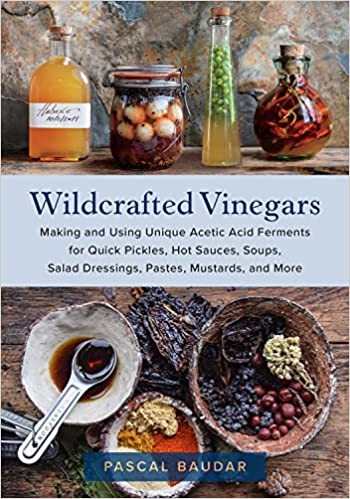
Pascal Baudar
Pascal Baudar is a Belgian-born forager, naturalist, and culinary author who has made Southern California his laboratory for exploring the extraordinary edible and fermentable abundance of wild landscapes. After immigrating to the United States and settling in Los Angeles, Baudar began a deep immersion in the traditional and contemporary practice of foraging, developing expertise in the plants, fungi, insects, and other organisms of California’s diverse ecosystems — from chaparral and oak woodland to coastal sage scrub and desert. He leads foraging courses and wild food events in Southern California and has built a reputation as one of North America’s most creative and rigorous practitioners of wild cuisine.
His first major book, The New Wildcrafted Cuisine: Exploring the Exotic Gastronomy of Local Terroir (2016), introduced readers to his philosophy of hyper-local, wild ingredient cooking, presenting dozens of techniques and recipes grounded in Southern California’s seasonal abundance. The book was unusual in its scope and creativity, moving well beyond the typical foraging guide to present wild foods as the basis for a sophisticated culinary practice. It received strong reviews from both the food writing and foraging communities and established Baudar as a distinctive voice in the emerging field of wild food gastronomy.
He followed this with Wildcrafted Fermentation: Exploring, Transforming, and Preserving the Wild Flavors of Your Local Terroir (2020), which explored the use of wild plants and microorganisms in fermentation — making vinegars, wines, beers, cheeses, and cultured foods from foraged ingredients. The Wildcrafting Brewer: Creating Unique Drinks and Beers from Nature’s Ingredients (2018) similarly focused on the possibilities of wild brewing. Together, his books constitute a comprehensive and original contribution to the literature of wild food, fermentation, and the idea of terroir as something to be discovered in overlooked places as much as in prestigious vineyards.
Baudar’s work is rooted in a respect for indigenous knowledge, ecological awareness, and the pleasure of direct engagement with the living world — an invitation to taste the place where you live with new attention and appreciation.