Kazuo Ishiguro
About Kazuo Ishiguro
Kazuo Ishiguro was born on November 8, 1954, in Nagasaki, Japan. In 1960, his family relocated to Guildford, Surrey, when his father — an oceanographer — was invited to conduct research at the National Institute of Oceanography. Ishiguro was raised in England and became a British citizen, though the duality of his Japanese origins and British upbringing has shaped every novel he has written.
He studied English and Philosophy at the University of Kent before completing an MA in Creative Writing at the University of East Anglia, where he studied under Malcolm Bradbury and Angela Carter. His debut novel, A Pale View of Hills, was published in 1982 — a quiet, unsettling book that drew on his mother’s recollections of postwar Nagasaki without being, as Ishiguro has said, straightforwardly autobiographical.
Career and Major Works
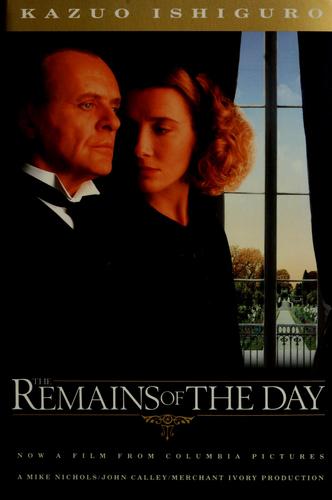
Ishiguro’s third novel, The Remains of the Day (1989), brought him international fame and the Booker Prize. It remains his most celebrated work: the first-person narration of Stevens, a repressed English butler who reflects on decades of devoted service and the emotional life he chose never to live. The novel’s power comes entirely from what Stevens cannot bring himself to say — a masterclass in the unreliable narrator and the literature of restraint.
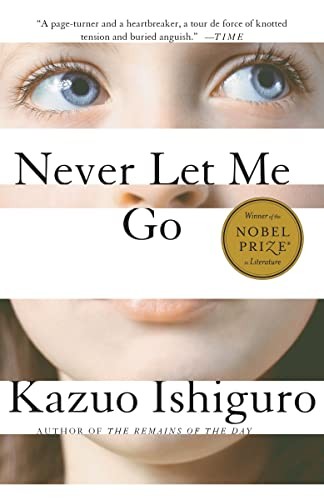
The Unconsoled (1995) divided critics with its surreal, dreamlike structure, while When We Were Orphans (2000) returned to more recognizable territory with a detective narrator in prewar Shanghai. Never Let Me Go (2005) is widely considered his second masterpiece: a science-fiction premise — human clones raised as organ donors — used not for genre thrills but for a devastating meditation on mortality, complicity, and the things we choose not to see.
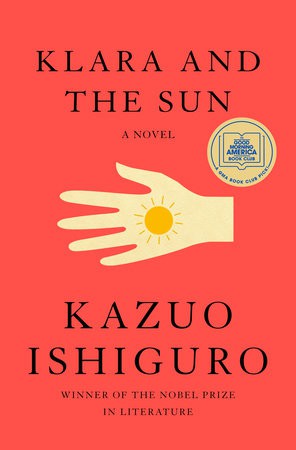
The Buried Giant (2015) ventured into Arthurian fantasy, exploring collective forgetting in post-Roman Britain. His most recent novel, Klara and the Sun (2021), is narrated by an Artificial Friend — a solar-powered robot who observes human love and suffering with uncanny clarity.
Writing Style and Themes
Ishiguro writes almost exclusively in the first person, and his narrators share a quality: they are all, to varying degrees, deceiving themselves. Memory is never straightforward in his fiction — it is selective, consoling, and ultimately unreliable. His prose is famously controlled: no wasted word, no emotional excess. The feeling in his novels accumulates in the gaps, in what characters refuse to acknowledge.
Recurring preoccupations include the passage of time, cultural displacement, the weight of the past on the present, and the ethical consequences of deference — to authority, to social convention, to one’s own chosen delusions. He has described his primary interest as exploring “what people tell themselves in order to go on living.”
Awards and Recognition
- Nobel Prize in Literature (2017) — the Swedish Academy cited “novels of great emotional force” that uncover “the abyss beneath our illusory sense of connection with the world”
- Booker Prize (1989) — The Remains of the Day
- Whitbread Book of the Year (1986) — An Artist of the Floating World
- Winifred Holtby Memorial Prize (1982) — A Pale View of Hills
- Knight Bachelor (2018) — appointed for services to literature
- Academy Award nomination (2023) — Best Adapted Screenplay, Living
Bibliography
- A Pale View of Hills (1982)
- An Artist of the Floating World (1986)
- The Remains of the Day (1989)
- The Unconsoled (1995)
- When We Were Orphans (2000)
- Never Let Me Go (2005)
- Nocturnes: Five Stories of Music and Nightfall (2009)
- The Buried Giant (2015)
- Klara and the Sun (2021)