Ferrett Steinmetz
Ferrett Steinmetz is an American science fiction and fantasy author best known for his Mancer series, a contemporary fantasy trilogy that brought a genuinely original premise to urban fantasy and quickly developed a cult following. He is a blogger of long standing and a prolific short fiction writer who appeared in Asimov’s Science Fiction and other major venues before his novels attracted wider attention. He lives in Cleveland, Ohio, and his Midwestern sensibility — practical, unpretentious, with a dry wit — is evident throughout his work.
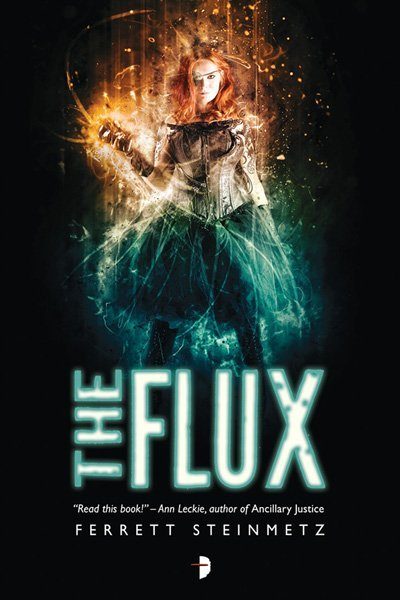
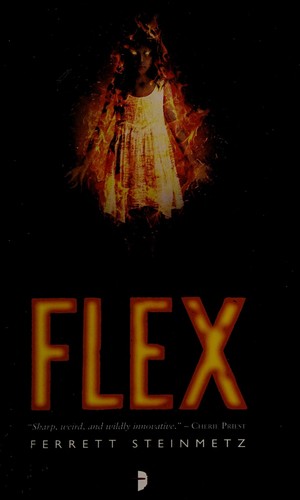
Flex (2015), the first volume of the Mancer series and available on WritersReview, introduces a world in which obsession with any subject — bureaucracy, videogames, origami — can become a form of magic if pursued with sufficient fanatical devotion. Paul Tsabo, a bureaucromancer (whose magic derives from his fanatical love of paperwork and procedure), must use his abilities to help his daughter after she is horribly burned in a magical accident. The premise sounds whimsical, but Steinmetz plays it with extraordinary emotional seriousness: the novel is fundamentally about a father’s desperate love for his child, and the lengths to which a person will go to protect the people they love. Its sequel, The Flux (also available on WritersReview), continues this story with the same combination of inventive magic-system design and genuine emotional weight.
What distinguishes Steinmetz’s work is his willingness to make his protagonists genuinely flawed and his plots genuinely costly. His characters pay real prices for their choices, and the magic of his world is tied to obsession and damage in ways that feel psychologically true. The Mancer series is not comfortable fantasy: it is fantasy that takes its genre premises seriously enough to follow their logic wherever it leads, including to places that are painful and morally complicated. This refusal to take the easy road gives the series a weight and impact that much urban fantasy lacks.
Steinmetz has written extensively about the craft of fiction on his blog and in various venues, and is known in the writing community for his thoughtful and generous engagement with questions of storytelling technique. His work demonstrates that original magic-system design and genuine emotional storytelling are not in competition — that the best speculative fiction uses its invented premises to illuminate real human experience rather than to escape from it.