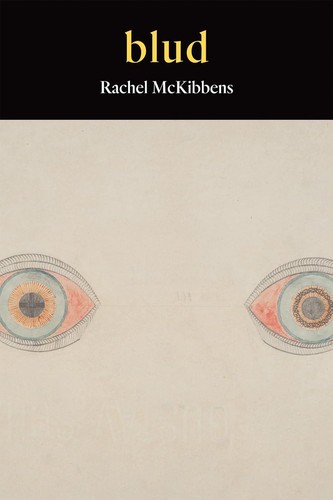
Rachel McKibbens
Rachel McKibbens is a poet, playwright, and activist born in 1974, of Latina heritage, who grew up in California in circumstances marked by poverty, family violence, and the particular hardships of a childhood shaped by addiction and abuse. She has written and spoken extensively about her own history — including her mother’s mental illness, her experiences in the foster care system, and her own struggles with mental health — and this history is both the raw material and the ethical foundation of her work. She is the founder of the Pink Door Women’s Writing Retreat, a residential retreat for women of color, and has been a significant figure in the slam poetry and spoken word communities.
McKibbens published her debut collection, Pink Elephant, in 2009, and her second, Into the Dark and Emptying Field, in 2013. Her work operates at high emotional intensity, drawing on Gothic imagery, folk magic, and the language of trauma to make poems that feel simultaneously ancient and urgently contemporary. She writes about motherhood, addiction, mental illness, and survival with a ferocity and precision that distinguish her from the confessional tradition she is sometimes associated with — her poems are not confessions but confrontations, not self-disclosure but formal transformation of experience into art.
blud (2017), available on WritersReview, is her most celebrated collection. The title word — a variant spelling of ‘blood’ that recalls both British slang and the visceral body — signals the book’s concerns: lineage, inheritance, the blood ties that wound and sustain, the body as a site of both violence and survival. The poems draw on folk horror, mythology, and the imagery of spell-making, creating a landscape in which grief and trauma are not merely expressed but ritually enacted and, in some provisional sense, transformed. blud was a finalist for the PEN Open Book Award and received wide critical acclaim.
McKibbens has also written for the stage, and her theatrical work shares with her poetry a commitment to witnessing difficult experience with unflinching attention. She has been a influential presence in conversations about mental health in the arts community, particularly around bipolar disorder, and has used her platform to advocate for better support structures for artists struggling with mental illness.
Her work is among the most raw and formally powerful in contemporary American poetry, occupying a space between the lyric and the spoken word traditions that enriches both. She is widely respected among fellow poets and has influenced a generation of younger writers, particularly women of color, through her teaching, mentorship, and the Pink Door Retreat.