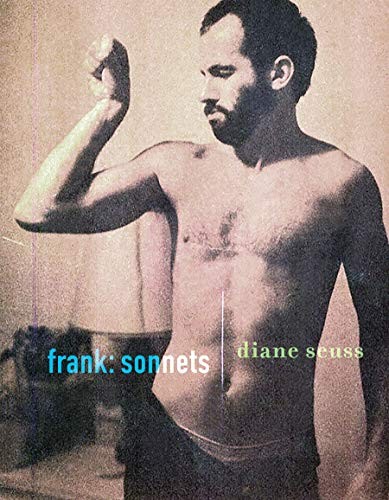
Diane Seuss
Diane Seuss is a contemporary American poet whose work traverses grief, poverty, addiction, desire, and the fierce textures of working-class Midwestern life with a candor and formal brilliance that has earned her a place among the most celebrated poets of her generation. Born and raised in rural Michigan, Seuss grew up in circumstances marked by economic hardship and early loss — her father died when she was young — experiences that would become central subjects in her poetry. She studied at Kalamazoo College and later earned an MFA, eventually settling into a long teaching career at Kalamazoo College, where she became a beloved mentor to generations of writers.
Seuss’s debut collection Wolf Lake, White Gown Blown Open (2010) announced a poet of unusual daring, willing to inhabit dark emotional territory with both lyric precision and narrative sweep. Her follow-up, Four-Legged Girl (2015), was a finalist for the Pulitzer Prize in Poetry and confirmed her gift for channeling the surreal and the autobiographical simultaneously. The collection pressed into questions of the body, desire, and spectacle with an unsettling beauty. Still Life with Two Dead Peacocks and a Girl (2018) extended her range further, meditating on art history, mortality, and her own life through ekphrastic engagement with Dutch Golden Age painting, finding in those centuries-old canvases mirrors for contemporary loss and longing.
Her collection frank: sonnets (2022) represents a landmark achievement — a book of 100 sonnets that document a life with unflinching honesty, addressing drug addiction, the death of a childhood friend, sexual trauma, cancer, and the persistent seductions of beauty and art. Written in a loose but rigorous sonnet form that honors the tradition while exploding its decorum, frank: sonnets won the Pulitzer Prize in Poetry in 2023 and received the PEN/Voelcker Award for Poetry. Critics praised its tonal range — alternately heartbreaking, funny, furious, and tender — and its refusal to aestheticize suffering without also insisting on the redemptive power of witness and voice.
Seuss’s poetry is distinctive for its willingness to hold high and low culture in the same breath, to honor the lives of those who exist outside literary respectability, and to make form itself an argument. Her sonnets are not formal exercises but survival documents, each fourteen-line poem a small theater in which a life insists on being seen. She has received fellowships from the Guggenheim Foundation and the National Endowment for the Arts, and her work has appeared in The New Yorker, Poetry, and numerous anthologies. A poet of remarkable courage and originality, Seuss continues to expand what American poetry can hold.