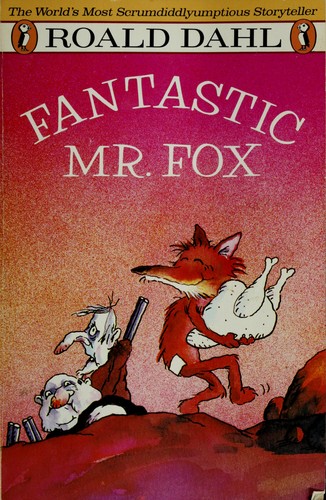
Roald Dahl
Roald Dahl was born on September 13, 1916, in Llandaff, Cardiff, Wales, to Norwegian parents. His father and elder sister both died in 1920, tragedies that marked his childhood deeply. He was educated at Repton School in Derbyshire, where he witnessed brutal corporal punishment that would inform his lifelong sympathy for children against adult cruelty. He worked for Shell Oil in East Africa before joining the Royal Air Force in 1939, surviving a crash landing in the Libyan desert and later serving as an intelligence officer in Washington, D.C.
Dahl’s wartime experiences provided material for his early adult fiction, and he became celebrated for darkly comic short stories of the macabre collected in Someone Like You (1953) and Kiss Kiss (1960). He turned seriously to children’s fiction following the births of his own children. Charlie and the Chocolate Factory (1964), which follows the kind-hearted Charlie Bucket’s journey through the fantastical factory of the eccentric Willy Wonka, combined Dahl’s gleeful inventiveness, his satirical eye for adult hypocrisy, and his deep instinctive understanding of what children find thrilling.
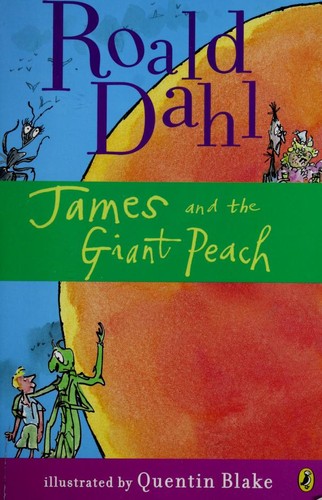
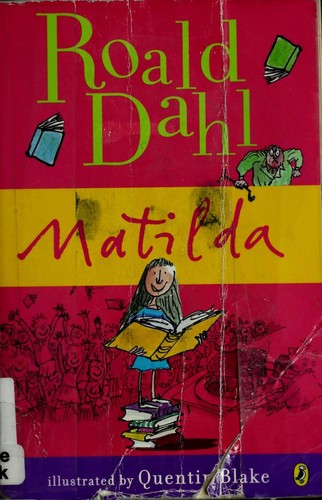
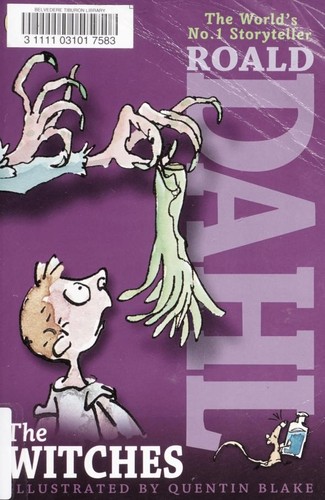
James and the Giant Peach (1961), The BFG (1982), Matilda (1988), and The Witches (1983) share the same essential architecture: a child protagonist of intelligence and virtue pitted against grotesque adult villains, always ultimately triumphant. Dahl’s prose style is infectiously energetic, his invented language exuberant, and his moral universe, however anarchic on the surface, reliably champions children’s dignity and intelligence against the pettiness and cruelty of adults. His books have sold over 250 million copies worldwide.
Dahl received the Edgar Award (twice), the World Fantasy Award for Lifetime Achievement, and numerous other honours. He died on November 23, 1990, in Oxford. His books have been adapted into numerous successful films and stage productions, and he remains the most widely read British children’s author of the twentieth century. Roald Dahl’s work continues to introduce generation after generation of young readers to the particular pleasure of fiction that does not talk down to them.