
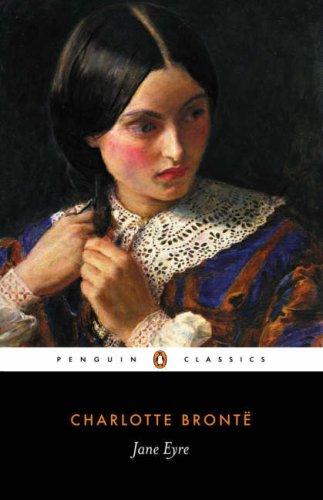
Jane Eyre
Penguin Classics · 1847 · 507 pages
ISBN: 9780141441146
Review Editor
Eleanor Marsh
Charlotte Brontë published Jane Eyre in 1847 under the name Currer Bell, and its success was immediate and enormous-a contrast to her sister Emily’s Wuthering Heights, published the same year, which would wait for posthumous recognition. Jane Eyre is the more accessible novel: it has a linear narrative, a recognizable protagonist whose development we follow with investment, and a love story that resolves into domestic happiness. What makes it continue to matter is that these conventional elements contain something genuinely radical.
Jane is an orphan, poor and plain, who works as a governess at Thornfield Hall and falls in love with her employer, the brooding Edward Rochester. The novel’s central conflict-between Jane’s love and her moral self-respect-is resolved not by compromise but by Jane’s insistence that she cannot remain where she is without a self. Her departure from Thornfield, after discovering Rochester’s secret, is one of the defining moments of feminist literature not because it is politically programmatic but because it represents a genuine inner freedom: Jane chooses herself over happiness.
Brontë’s prose is less stylistically adventurous than Emily’s but possessed of considerable force and a directness of emotional address that creates unusual intimacy. Jane speaks to the reader-”Reader, I married him” is only the most famous instance-and that address creates the sense of a private understanding between narrator and audience that is central to the novel’s appeal.
The novel’s limitations are visible but not debilitating: Bertha Mason, the first Mrs. Rochester, whose story Brontë does not tell and Jean Rhys would later reclaim in Wide Sargasso Sea, raises questions about imperial ideology that Brontë does not engage. But what she does engage, she engages with conviction and remarkable force.
Book Details
- Title
- Jane Eyre
- Author
- Charlotte Brontë
- Genre
- Literary Fiction
- Publisher
- Penguin Classics
- Year Published
- 1847
- Pages
- 507
- ISBN
- 9780141441146
- WritersReview Rating
- 5.0 / 5