
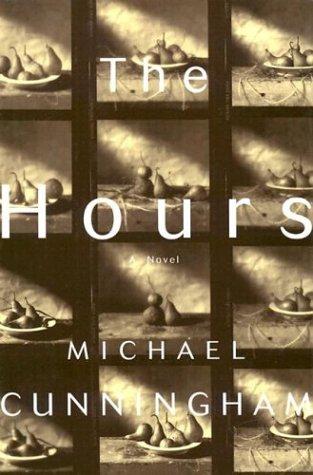
The Hours
Picador · 1998 · 229 pages
ISBN: 9780312243029
Review Editor
Eleanor Marsh
Michael Cunningham’s The Hours, published in 1998 and winner of both the Pulitzer Prize and the PEN/Faulkner Award, is one of those works that succeeds both as homage and as independent creation-a rarity in novels built explicitly on other novels. It is a meditation on Virginia Woolf’s Mrs. Dalloway structured as a triptych: one section follows Woolf herself as she writes the novel in 1923; a second follows Laura Brown, a 1950s Los Angeles housewife reading it; a third follows Clarissa Vaughan, a contemporary New Yorker planning a party for her dying friend Richard, who has nicknamed her “Mrs. Dalloway.”
Cunningham’s achievement is formal and thematic simultaneously. The parallel structure allows him to trace the ways Mrs. Dalloway’s themes-the surface of social life hiding interior anguish, the choice between engagement and withdrawal, the proximity of death to ordinary living-resonate across decades and contexts. Laura Brown’s section is the most quietly devastating: a woman who loves her family and cannot inhabit the life she has, reading Woolf’s novel as an instruction manual for possibilities she does not yet understand she will pursue.
The prose throughout is consciously Woolfian without being imitative: it captures the quality of interior observation that Woolf pioneered without reproducing her syntax. Cunningham writes about consciousness from the inside with considerable skill, and the novel’s emotional intelligence-its rendering of friendship, desire, and the particular weight of caring for someone who is dying-justifies its architectural ambition.
The Hours is ultimately a novel about how a work of art moves through time and lives: how it finds the readers who need it and transforms them in ways the author could never have predicted. It does so with grace and real feeling.
Book Details
- Title
- The Hours
- Author
- Michael Cunningham
- Genre
- Literary Fiction
- Publisher
- Picador
- Year Published
- 1998
- Pages
- 229
- ISBN
- 9780312243029
- WritersReview Rating
- 5.0 / 5