
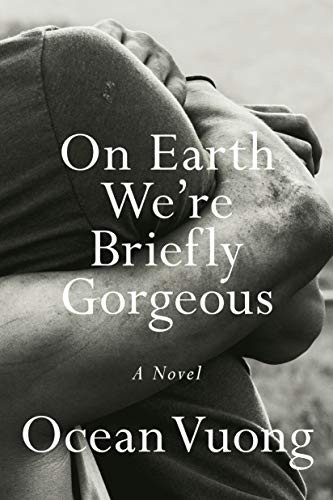
On Earth We’re Briefly Gorgeous
Penguin Press · 2019 · 256 pages
ISBN: 9780525562023
Review Editor
Eleanor Marsh
Ocean Vuong’s debut novel, published in 2019, is one of those rare works that announces a literary voice so fully formed and so distinctively itself that it seems to arrive without precedent. Written as a letter from a Vietnamese American son to his illiterate mother-a letter she will never read-it is simultaneously a bildungsroman, a meditation on addiction and the American opioid crisis, a love story, and an inquiry into the nature of language itself.
The novel follows Little Dog, growing up in Hartford, Connecticut, with his mother and grandmother, both haunted by Vietnam and by trauma that has no English equivalent. The grandmother Lan is among the most vivid presences in recent American fiction-a figure who carries history in her body and distributes it in gestures and silences that the novel must work hard to translate. Little Dog’s first love, a farm boy named Trevor who is also in the grip of opioid addiction, becomes the novel’s emotional center: a romance conducted in the shadow of death and economic precarity.
Vuong’s background as a celebrated poet shapes every sentence here. The prose is dense with image and association, prone to sudden lyric compression that transforms an ordinary scene into something permanently charged. This can occasionally feel like pressure applied at the wrong moment-the narrative pausing for beauty when it should move-but more often it creates a distinctive rhythm unlike anything else in contemporary fiction.
The book’s formal choice-a letter to a mother who cannot read-is not merely a device but a philosophical position: Vuong is writing about the voices that exist only in the silence between people who love each other and cannot reach each other. That it also describes many children of immigrants, regardless of origin, is part of its unusual emotional reach.
Book Details
- Title
- On Earth We’re Briefly Gorgeous
- Author
- Ocean Vuong
- Genre
- Literary Fiction
- Publisher
- Penguin Press
- Year Published
- 2019
- Pages
- 256
- ISBN
- 9780525562023
- WritersReview Rating
- 5.0 / 5