
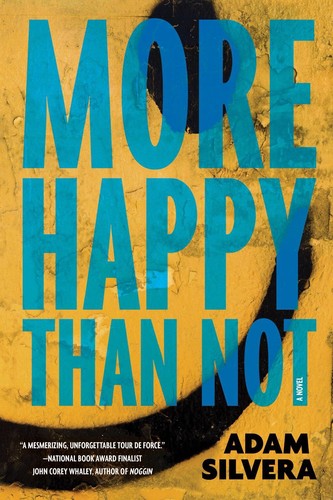
Adam Silvera’s debut novel More Happy Than Not announces a major new voice in Young Adult fiction — a book that takes on grief, identity, memory, and the particular anguish of being gay in a neighborhood where that is not safe, and does so with a structural audacity that distinguishes it from its more conventional peers. Set in a Bronx housing project in a near-future New York where a procedure called the Leteo Institute’s memory alteration exists as a consumer service, the novel follows sixteen-year-old Aaron Soto through one of the worst summers of his life.
Aaron’s father has recently died by suicide. Aaron himself survived a suicide attempt. His girlfriend Genevieve is trying to hold him together. Then Thomas moves into the neighborhood — charismatic, curious, a reader — and the friendship between them becomes the most alive thing in Aaron’s life. When Aaron begins to understand what this friendship means about himself, the Leteo procedure presents itself as a solution: why not simply have your homosexuality removed?
The premise could be heavy-handed. Silvera makes it devastating instead, because he understands that the horror of Leteo is not the procedure itself but the desperation that makes it seem desirable. Aaron does not want to be erased; he wants to be safe. He wants his mother and his neighborhood and his friends to be able to love him without reservation. The procedure is a measure of how much homophobia costs, how much it exacts from people who are simply trying to live.
Silvera writes about the Bronx with intimate specificity — the bodegas and the stoop culture and the particular rhythms of a community that is both genuinely warm and genuinely dangerous. The prose is direct and funny and heartbreaking. The structural twist, when it comes, reframes everything that preceded it without feeling like a trick.
A debut of remarkable confidence and emotional truth. Soho Teen makes an emphatic statement with this book.
Book Details
- Title
- More Happy Than Not
- Genre
- Young Adult