
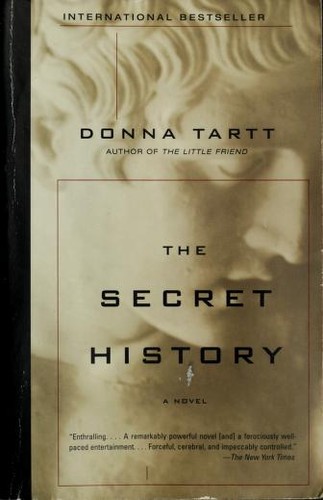
The Secret History
Vintage Books · 1992 · 524 pages
ISBN: 9781400031702
Review Editor
Eleanor Marsh
Donna Tartt’s debut novel, published in 1992, reversed the standard structure of the crime novel with a gesture of formal audacity that has been widely imitated and never quite equaled. We learn on the first page that the narrator, Richard Papen, was complicit in the murder of his friend Bunny Corcoran. The novel then backtracks to explain how. The result is a novel sustained not by suspense about what happens but by the more disturbing question of how a group of intelligent, privileged young people arrived at violence-and what it means that we find ourselves, against our will, understanding them.
Richard arrives at a small Vermont college and enters the orbit of an eccentric classicist named Julian Morrow and his five students of ancient Greek: Henry, Francis, twins Charles and Camilla, and the garrulous, sloppy Bunny. The group is defined by its aestheticism and its exclusiveness, and both will prove lethal. What Richard gradually uncovers-that the group staged a Dionysian ritual that resulted in an accidental death-and what that secret has made of them becomes the novel’s architecture.
Tartt’s prose is confident, elegant, and bracingly intelligent. She writes about intellectual life and collegiate pretension with the authority of someone who has inhabited it completely, and she creates in the Vermont college a world with its own gravity and light-a place that feels, despite its unreal elegance, absolutely real. The moral weight of the novel increases steadily as the murder approaches: Tartt refuses to render Bunny’s killers as monsters, which makes their crime both more comprehensible and more disturbing.
The Secret History is the rare literary thriller that is genuinely literary and genuinely thrilling: a novel about the costs of beauty pursued without conscience.
Book Details
- Title
- The Secret History
- Author
- Donna Tartt
- Genre
- Literary Fiction
- Publisher
- Vintage Books
- Year Published
- 1992
- Pages
- 524
- ISBN
- 9781400031702
- WritersReview Rating
- 5.0 / 5