Wesley Chu
Wesley Chu is a Taiwanese-American science fiction author whose work spans military science fiction, space opera, and action-adventure thriller, and who has built a reputation for fast-paced, propulsive storytelling anchored by vivid characters. Born in Taiwan and raised in Chicago, he spent years working as an actor and stuntman before turning to writing full-time, and the physical, kinetic energy of that background is palpable in his action sequences and his instinct for dramatic tension. He has trained in multiple martial arts disciplines, and his fight scenes have the specificity and choreographic clarity that comes from direct physical knowledge.
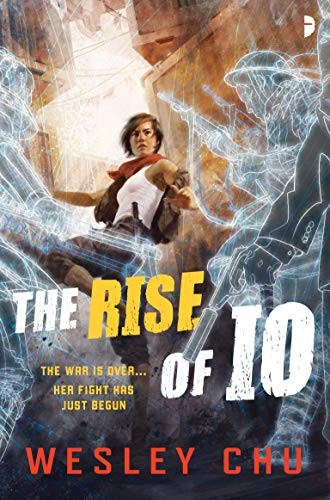
His debut trilogy, the Tao series beginning with The Lives of Tao (2013), follows a covert alien intelligence who has been secretly guiding human history and who reluctantly bonds with an overweight, underachieving IT worker as his new host. The series combines spy thriller mechanics with science fiction world-building and a considerable amount of comedy — Chu has a sharp, self-deprecating wit that keeps even his most action-heavy narratives from taking themselves too seriously. The Rise of Io (2016), available on WritersReview, is a standalone follow-up set in the same universe, featuring a different human host and a new alien perspective on a war-torn near-future Earth. The novel exemplifies Chu’s strengths: breakneck pacing, a likeable and fully realised protagonist, and just enough world-building to ground the action without slowing it down.
Chu’s other major work includes the The War Arts Saga and The Days of Tao novella series. He also co-wrote The Walking Dead: Typhoon and has demonstrated facility with licensed fiction, bringing his action-craft to an established franchise. His work in the Tao universe has been particularly popular among readers who want science fiction with the pacing and accessibility of commercial thrillers without sacrificing genuine world-building and character work.
Chu is an engaging and active presence in the science fiction community, known for his enthusiasm, his generosity toward new writers, and his willingness to talk frankly about the realities of a professional writing career. He represents a strand of contemporary science fiction that prioritises entertainment and emotional engagement above formal experimentation, and executes that priority with genuine craft. His career demonstrates that “accessible” and “ambitious” are not in opposition — that the most satisfying popular fiction is popular because it is good.